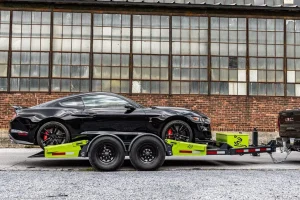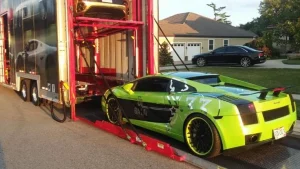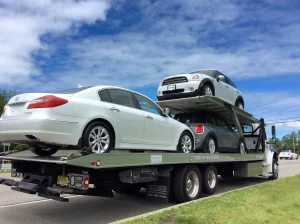

State-to-state auto transport helps customers move vehicles between states without driving the entire distance. NorthStar Auto Transport offers vehicle shipping options for relocations, remote vehicle purchases, seasonal moves, and other interstate transportation needs, subject to route availability.
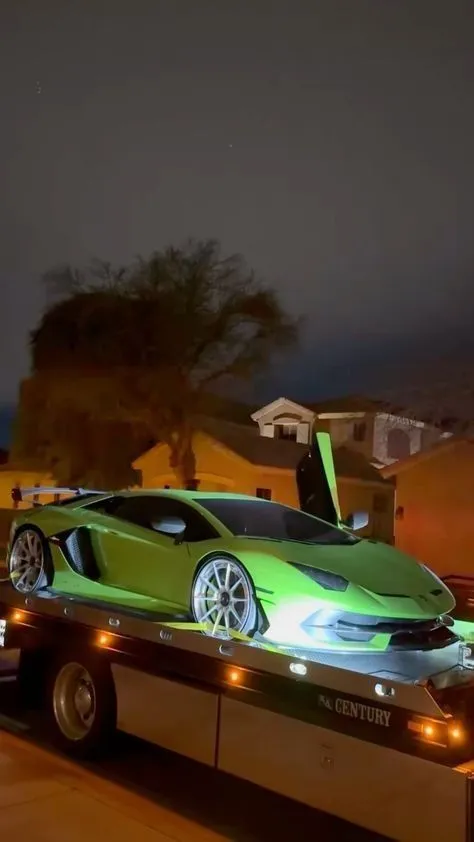
Moving a vehicle between states can be challenging when you have a long-distance relocation, a newly purchased car, or a schedule that makes driving impractical. State-to-state auto transport provides an alternative by arranging for your vehicle to be transported between your selected pickup and delivery locations.
NorthStar Auto Transport helps customers explore interstate vehicle shipping options based on their route, vehicle type, schedule, and transportation preferences. From planning a move out of Atlanta, Georgia, to arranging delivery to another state, the right shipping arrangement begins with clear information and realistic expectations.
State-to-state auto transport involves moving a vehicle from an origin in one state to a destination in another. It is commonly used by individuals relocating for work, families moving homes, vehicle buyers, dealerships, and people arranging transportation for seasonal or specialty vehicles.
The shipment can potentially use open or enclosed transport depending on the vehicle and the agreed arrangement. Door-to-door pickup and delivery may also be available when the route, carrier access, and other conditions permit.
The specific service, provider responsibilities, pickup window, estimated delivery timeline, and applicable charges should be documented in the booking agreement.
When moving for work, education, family, or lifestyle reasons, transporting your vehicle can help separate the car’s journey from your own travel arrangements.
A vehicle purchased from a seller in another state may need to be transported to your home or another agreed location. Confirm the vehicle’s condition, release authorization, pickup requirements, and delivery arrangements before booking.
Families may need to move a vehicle for a student, relative, or household member. Clear pickup contacts, delivery details, and scheduling arrangements help coordinate the shipment.
Owners of classic, luxury, collectible, or modified vehicles may wish to use enclosed transport or other arrangements suited to the vehicle’s specific requirements.
Interstate shipping costs vary according to several factors.
Distance and route: Longer journeys involve different operating requirements, while demand and carrier availability vary by route.
Vehicle size and condition: Larger vehicles may occupy more carrier space. Inoperable vehicles can require specialized equipment.
Transport method: Open transport is generally more economical, while enclosed shipping typically costs more.
Timing: Seasonal demand, weather, preferred dates, and pickup flexibility can affect availability and pricing.
Location access: Difficult pickup or delivery access may require a different meeting point or additional arrangements.
Additional requirements: Special handling, agreed service options, or other shipment-specific needs may influence the total price.
Ask for a written quote that clearly identifies the agreed service and any potential additional charges.
There is no single delivery timeline that applies to every route. Transit time depends on distance, route conditions, weather, traffic, carrier schedules, and pickup and delivery coordination.
It is important to distinguish the pickup window from the time the vehicle spends in transit. Carrier assignment and scheduling can take additional time before the journey begins.
Ask for an estimated pickup window and expected delivery timeframe, and clarify how delays will be communicated. Avoid assuming that a vehicle will arrive on an exact date unless the agreement expressly supports that commitment.
Start by confirming the origin, destination, vehicle details, and requested dates. Provide accurate information about the vehicle’s operating condition, dimensions, modifications, and any special loading needs.
Remove personal belongings and valuables, photograph the vehicle, secure loose accessories, and follow the transport provider’s instructions regarding fuel, keys, and documents.
Before the vehicle is released, confirm the pickup contact, inspection procedure, agreed price, payment terms, insurance information, and process for handling delays or damage concerns.
At delivery, inspect the vehicle and record any concerns promptly using the applicable paperwork and claims process.
NorthStar Auto Transport is located at 376 Kelly St SE, Atlanta, GA 30312. Customers can discuss vehicle shipping requirements and explore transportation arrangements between Atlanta and other destinations, subject to availability.
When requesting a quote, provide both ZIP codes or full pickup and delivery addresses, your vehicle’s make and model, its condition, and your preferred dates. This information helps evaluate the route and identify the appropriate shipping options.
Find answers to some common questions about car shipping and vehicle transportation.
NorthStar Auto Transport offers open car transport, enclosed car transport, door-to-door auto transport, and state-to-state vehicle shipping. The best option depends on your vehicle, route, budget, and transportation requirements.
The cost depends on factors such as the pickup and delivery locations, shipping distance, vehicle size and condition, transport method, seasonal demand, and scheduling requirements. Request a quote for pricing based on your specific shipment.
Transit time varies according to the route, distance, carrier availability, weather, traffic, and pickup and delivery arrangements. Ask for an estimated timeline when arranging your shipment.
Open transport is commonly used for standard vehicles and is often a cost-effective choice. Enclosed transport provides additional protection from weather and road debris and may be preferable for classic, luxury, collectible, or high-value vehicles.
Remove personal belongings and unnecessary accessories, clean the vehicle sufficiently to make its condition visible, secure loose parts, leave the fuel tank at a low level as instructed by your transport provider, and photograph the vehicle before pickup. Disclose any mechanical issues and follow the provider's preparation instructions.