
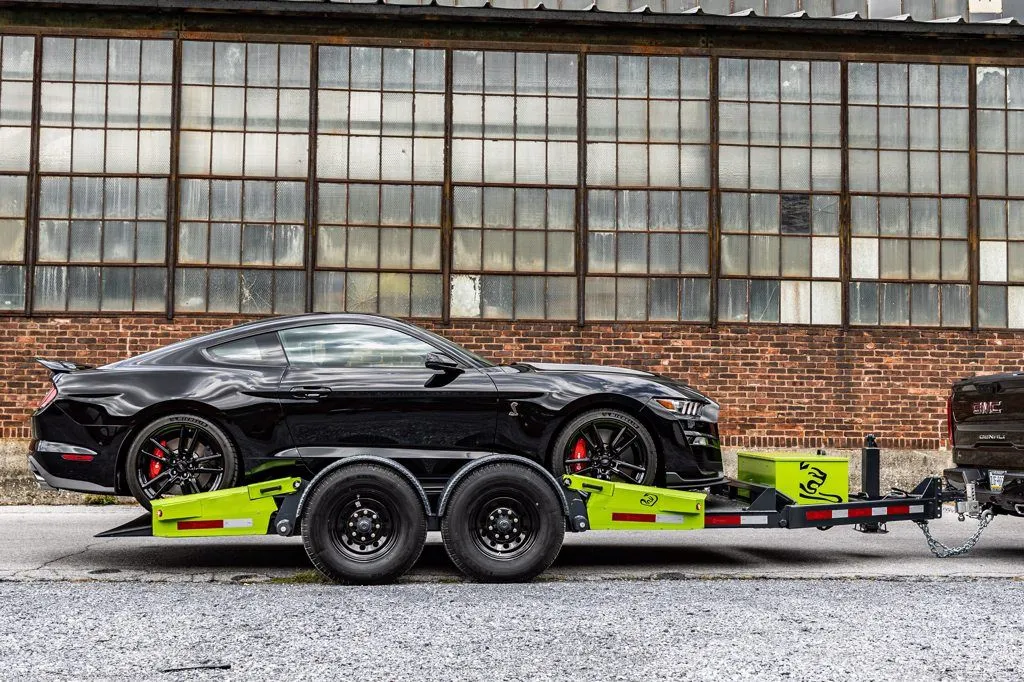
Preparing your vehicle before shipping can make pickup and delivery easier. Whether you are moving to another state, purchasing a vehicle remotely, or arranging transportation for a family member, a little preparation helps you document your vehicle’s condition and communicate important details to the transport provider.
Use this checklist before your scheduled pickup.
1. Clean Your Vehicle
Wash your vehicle before pickup, especially the exterior. A reasonably clean surface makes it easier to identify existing scratches, dents, paint damage, and other visible imperfections during the inspection.
You do not necessarily need professional detailing. The goal is to make the vehicle’s condition easy to assess and document.
2. Photograph the Vehicle
Take clear photographs of the exterior from several angles, including the front, rear, sides, wheels, and any existing damage. Photograph the interior and dashboard where appropriate.
Keep these images with your shipping documents. During pickup and delivery, compare the vehicle’s condition with the inspection records and raise any concerns promptly.
3. Remove Personal Belongings
Remove luggage, valuables, loose accessories, and personal items from the vehicle unless your transport provider has expressly authorized specific items in writing.
Personal belongings may not be covered by the carrier’s cargo insurance and can create additional weight or safety concerns. Check the provider’s rules before pickup rather than assuming that items can remain inside the vehicle.
4. Check the Vehicle’s Mechanical Condition
Tell the transport provider whether your vehicle starts, steers, brakes, and rolls normally. Disclose mechanical problems, fluid leaks, warning lights, or other issues that could affect loading and unloading.
An inoperable vehicle may require specialized equipment and additional charges. Confirm that the agreed shipping arrangement accommodates the vehicle’s actual condition.
5. Check Fuel and Battery Requirements
Follow your transport provider’s instructions regarding fuel level. Many shipments require the fuel tank to be kept at a low level while retaining enough fuel for loading or unloading when necessary.
For electric and hybrid vehicles, ask about battery charge requirements and any special handling instructions. Disclose relevant vehicle-specific requirements before the carrier arrives.
6. Secure Accessories and Loose Parts
Remove or secure detachable exterior accessories where practical, including removable roof racks, antennas, and loose decorative components. Fold in mirrors if appropriate and ensure windows are closed.
Inform the provider about modifications, oversized tires, lowered suspension, roof equipment, or unusual dimensions. These details may affect carrier compatibility and loading clearance.
7. Confirm Pickup Details
Verify the pickup date or window, pickup address, contact information, and instructions for accessing the vehicle.
Large transport carriers may not be able to enter narrow streets, apartment complexes, parking garages, or locations with low overhead clearance. If necessary, arrange a nearby safe and accessible meeting point with the provider.
Confirm the delivery location and ensure someone authorized can coordinate receipt of the vehicle.
8. Prepare Keys and Documents
Provide the keys required for loading and unloading. Keep your own important documents, registration records, valuables, and personal information secure.
Ask which documents are required for your shipment. Requirements can vary depending on the provider, route, vehicle, and circumstances.
9. Complete the Pickup Inspection
Review the vehicle’s condition with the driver and make sure existing damage is recorded accurately on the applicable inspection report or bill of lading.
Keep a copy of the documentation. Do not overlook visible damage or discrepancies simply because you are in a hurry.
10. Inspect Your Vehicle at Delivery
When your vehicle arrives, inspect it in adequate lighting before completing the delivery process. Compare its condition with your original photographs and pickup inspection report.
If you notice possible new damage, document it with photographs and notify the driver and responsible transport company promptly. Record concerns on the delivery paperwork before signing where permitted, and follow the applicable claim procedure and deadlines.
Book Your Auto Transport With NorthStar Auto Transport
NorthStar Auto Transport offers open car transport, enclosed car transport, door-to-door auto transport, and state-to-state vehicle shipping options.
Preparing your vehicle and confirming the shipment details ahead of time can help you navigate the transportation process more smoothly.
Planning to ship a vehicle? Contact NorthStar Auto Transport to discuss your route, vehicle condition, preferred dates, and preparation requirements.